Exploring the Conveniences of Heat Recovery Ventilation for Power Performance in Homes
Heat Recovery Ventilation (HRV) systems supply homeowners a practical strategy to boosting energy efficiency. By recovering warm from outgoing air, these systems can considerably lower cooling and heating costs. In addition, they give a stable supply of fresh air, boosting interior air high quality and convenience degrees. As home owners consider sustainable alternatives, recognizing the subtleties of HRV systems becomes increasingly important. What variables should one assess prior to making such a financial investment?
Recognizing Heat Recovery Ventilation Equipments
How HRV Boosts Indoor Air High Quality

Energy Savings: The Economic Advantages of HRV
Maximizing power efficiency, heat recovery ventilation (HRV) systems provide substantial economic advantages for home owners. By recouping and recycling heat from exhaust air, HRVs considerably decrease heating and cooling costs. This technology can result in energy savings of up to 30%, relying on environment and usage patterns. Property owners frequently notice minimized utility expenses shortly after installation, making HRVs a monetarily smart investment with time. Furthermore, several regions supply incentives or discounts for energy-efficient upgrades, even more boosting the financial charm. As energy click to find out more prices remain to climb, the cost-effectiveness of HRVs comes to be progressively clear. On the whole, the consolidation of HRV systems not just promotes energy effectiveness but also adds to long-lasting monetary cost savings for homes.
The Ecological Influence of Heat Recovery Ventilation
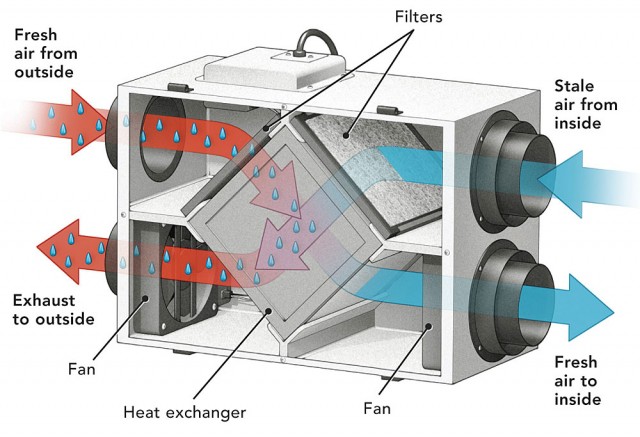
A considerable environmental advantage of heat recovery ventilation (HRV) systems copyrights on their capacity to reduce overall energy intake. By redeeming heat from exhaust air and transferring it to inbound fresh air, HRV systems lessen the demand for energy-intensive home heating and cooling down methods. This reduction in energy need adds to decrease greenhouse gas exhausts, as much less fossil gas is needed to preserve comfy interior temperature levels. Furthermore, HRV systems improve indoor air high quality by effectively exchanging stale air with fresh outdoor air, decreasing dependence on mechanical air conditioning systems that can damage the atmosphere. Overall, the application of HRV systems sustains sustainable living techniques and lines up with international initiatives to combat climate change by promoting energy effectiveness in property setups.
Selecting the Right HRV System for Your Home
Just how can home owners assure they select the best heat recovery ventilation (HRV) system for their requirements? Initially, they must examine their home's size and design, as these aspects influence airflow requirements. Next off, assessing the system's performance ratings is important, as higher ratings indicate far better efficiency and energy cost savings. Property owners must additionally think about setup and upkeep prices, contrasting different brands and designs for value. Additionally, it is necessary to assess noise degrees, as some systems run more silently than others. Consulting with a/c professionals can supply tailored recommendations based upon specific home conditions. Analyzing individual reviews and warranties can aid in making an informed choice, making sure that the selected HRV system effectively improves indoor air high quality and energy effectiveness.
Regularly Asked Concerns
Just how Commonly Should I Clean or Keep My HRV System?
The regularity of cleaning or keeping a heat recovery ventilation (HRV) system generally relies on usage and ecological elements. Usually, it is a good idea to carry out maintenance every 6 months to ensure peak performance and air quality.

Can HRV Equipments Assist Decrease Humidity Levels Indoors?
HRV systems can efficiently lower indoor humidity levels by exchanging stale, damp air with fresh, drier air from outside. HRV Heat Recovery Ventilation. This procedure helps preserve link a balanced interior environment, improving comfort and preventing moisture-related issues
What Is the Life expectancy of a Regular HRV System?
The lifespan of a normal heat recovery ventilation (HRV) system differs, normally lasting between 10 to 15 years. Routine upkeep can expand its efficiency and functional life, making sure peak efficiency throughout its usage duration.
Are There Any Type Of Sound Concerns With HRV Solutions?
Sound worry about HRV systems can emerge, especially from fan procedure. Nevertheless, lots of contemporary systems are created to lessen sound levels, guaranteeing they run quietly while keeping effectiveness, which resolves possible disruptions in living settings.
Can I Mount an HRV System Myself, or Do I Required an Expert?
The individual contemplated whether to install the heat recovery ventilation (HRV) system directly or work with an expert. Normally, while DIY installation is feasible, competence guarantees correct capability and compliance with local building ordinance, enhancing system efficiency.